
Hear from Our Customers
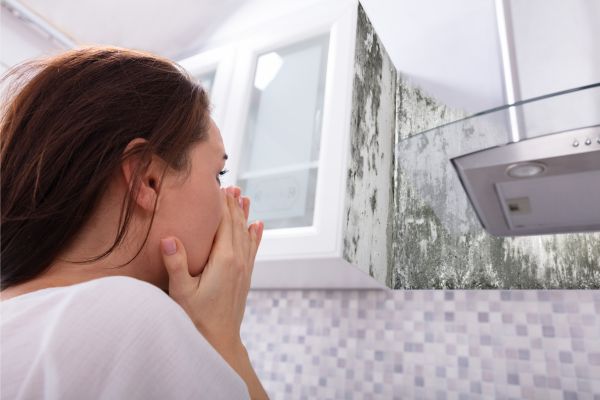
You’ve noticed the musty smell in your basement. Maybe someone in your family can’t shake the cough, or the headaches that disappear when you leave the house. You’ve looked behind the washing machine, checked under the sinks, but you’re not finding anything obvious.
That’s the problem with mold. It grows where you can’t see it—behind drywall, under flooring, inside HVAC systems. And Hilltown’s humid summers create perfect conditions for it to spread fast.
Professional mold testing tells you what’s actually there. Air samples capture spore counts throughout your home. Surface samples identify the type of mold growing in specific areas. Lab analysis gives you documentation you can use for remediation, insurance claims, or real estate transactions. You get a clear picture of what you’re dealing with instead of wondering if that dark spot is dirt or something worse.
We work throughout Bucks County, and we’ve seen what Pennsylvania’s climate does to homes here. The combination of humid summers and damp winters means mold doesn’t stay contained to one room—it spreads.
We’re not a national franchise sending different technicians every time. We’re local professionals who understand the construction styles common in Hilltown, from older homes with stone foundations to newer builds with finished basements. We know where moisture problems typically start and what warning signs homeowners miss.
When you call us, you’re working with certified mold inspectors who live in the area and have tested hundreds of properties just like yours.
First, we talk through what you’ve noticed—odors, visible growth, health symptoms, water damage history. This helps us understand where to focus the inspection.
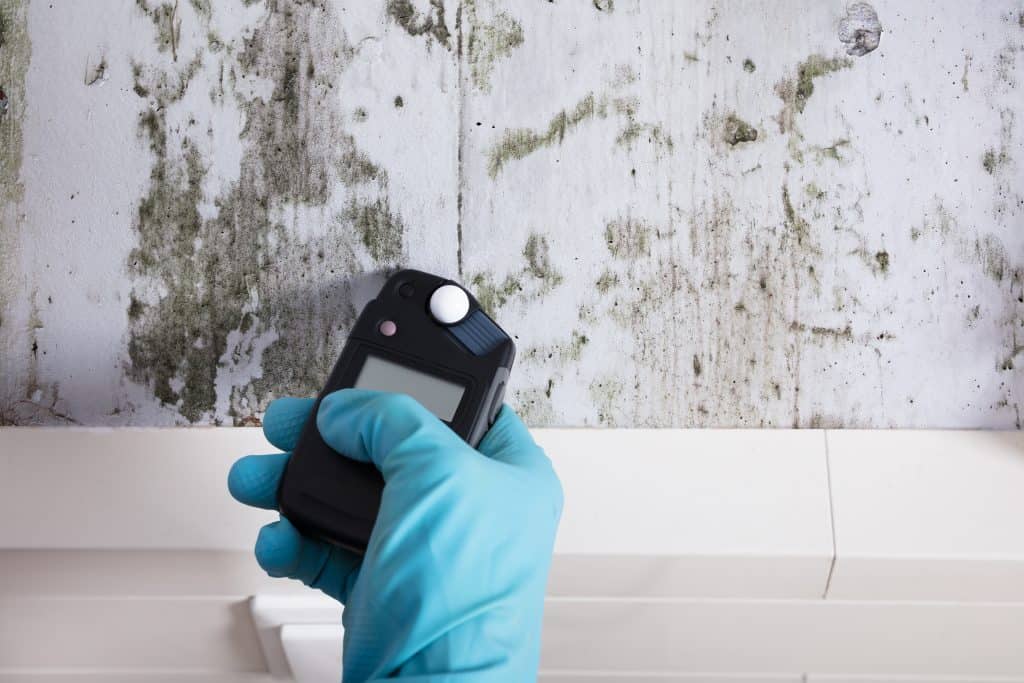
Then we walk through your property with moisture meters and thermal cameras to detect hidden water problems. We’re looking for elevated humidity levels, temperature variations that indicate moisture behind walls, and conditions that support mold growth. This equipment finds problems you can’t see with your eyes alone.
We collect air samples from multiple rooms to measure spore counts and identify what types of mold are present. We also take surface samples from any visible growth or suspicious areas. These samples go to an independent lab for analysis—not our own facility, so there’s no conflict of interest in the results.
You receive a detailed report with lab findings, spore counts, mold types identified, and our assessment of what needs attention. If remediation is necessary, we explain exactly what that involves and why. If the results show normal spore levels, you have documentation proving your home is clear.
Ready to get started?
A complete mold inspection covers your entire property, not just the room where you noticed a problem. We check basements, crawl spaces, attics, bathrooms, kitchens, and any areas with past water damage. These are the spots where mold typically starts in Hilltown homes.
You get both air quality testing and surface testing. Air samples measure what you’re breathing throughout your home. Surface samples identify specific mold types growing in problem areas. Both matter because airborne spores affect your health even if you can’t see the source.
The inspection includes moisture mapping to find active water problems feeding mold growth. Many homeowners discover leaks they didn’t know existed—slow drips inside walls, condensation in attics, groundwater seeping through foundation cracks. Finding these sources is just as important as identifying the mold itself.
Lab results come back within a few days, and we review them with you in plain language. You’ll understand what the spore counts mean, whether the mold types found pose health risks, and what action makes sense for your situation. If you’re buying or selling a home, this documentation satisfies disclosure requirements under Pennsylvania law.
Professional mold testing typically runs between $250 and $500 for most residential properties, depending on your home’s size and how many samples you need. A basic inspection with air and surface samples for a standard home usually falls in the $300-$400 range.
That price includes the physical inspection, sample collection, independent lab analysis, and a detailed report of findings. Some companies charge separately for the inspection and lab fees, so ask for a complete quote upfront.
If you need testing for a real estate transaction or insurance claim, factor in that you’ll want thorough documentation. Skipping rooms or limiting samples to save money often backfires when you need to prove the extent of contamination later. Most homeowners find that comprehensive testing costs less than dealing with undocumented mold problems down the road.
A mold inspection is the visual assessment where we walk through your property looking for visible growth, water damage, moisture problems, and conditions that support mold. We use moisture meters and thermal cameras to find hidden issues. This tells us where problems exist and what’s causing them.
Mold testing involves collecting actual samples—either from the air or from surfaces—and sending them to a lab for analysis. Testing identifies specific mold types, measures spore concentrations, and provides documentation of what’s growing in your home.
You usually need both. The inspection finds the problems and their sources. The testing confirms what type of mold you’re dealing with and how widespread it is. If you’re experiencing health symptoms, need documentation for insurance, or want to verify that remediation worked, testing gives you lab results instead of just a visual opinion. For real estate transactions in Pennsylvania, buyers often request both inspection and testing to understand exactly what they’re purchasing.
Yes, especially if you’re buying an older home or a property with a finished basement. Hilltown’s climate creates ideal conditions for mold growth, and many homes have moisture issues that sellers either don’t know about or haven’t disclosed.
Pennsylvania law requires sellers to disclose known material defects, including mold and water damage. But “known” is the key word—if they haven’t tested, they can claim they didn’t know about hidden mold behind walls or in crawl spaces. A pre-purchase mold inspection protects you from inheriting someone else’s problem.
The inspection often reveals more than just mold. You’ll find out about active leaks, poor ventilation, drainage problems, and other moisture issues that will cost you money after closing. Discovering these problems during your inspection period gives you leverage to negotiate repairs, request remediation, or walk away from the deal. Spending a few hundred dollars on testing now can save you thousands in unexpected remediation costs later—or prevent you from buying a home with serious hidden damage.
DIY test kits give you limited information and often create more confusion than clarity. Most kits only tell you that mold spores are present—which is true in virtually every home. They don’t measure concentration levels, identify specific mold types, or tell you whether what they found is actually a problem.
Professional testing uses calibrated equipment to collect precise air samples over a specific time period. We test multiple locations and compare indoor spore counts to outdoor baseline levels. The lab analysis identifies exact mold species and provides concentration data you can use to make informed decisions.
DIY kits also can’t find hidden mold. You’re only testing surfaces you can reach or air in one room. We use moisture meters and thermal imaging to locate mold growing inside walls, under floors, and in other concealed spaces. Many homeowners spend $100-$200 on DIY tests, get unclear results, then hire us anyway. You end up paying twice and delaying the real answers you need to protect your home and health.
The most common molds we find in Hilltown homes are Cladosporium, Penicillium, Aspergillus, and Alternaria. These grow readily in damp conditions and spread through HVAC systems. Most cause allergic reactions—sneezing, coughing, itchy eyes, skin irritation—especially in people with asthma or mold sensitivities.
Stachybotrys, often called black mold, shows up less frequently but gets the most attention because it produces mycotoxins that can cause severe health effects. It grows on materials with high cellulose content like drywall, wood, and paper when they stay wet for extended periods. Basements with water damage and attics with roof leaks are prime locations.
The specific mold type matters less than the concentration and your exposure level. Any mold growing indoors in large quantities can trigger health symptoms and damage your property. Professional testing identifies what’s growing in your home so you know whether you’re dealing with common environmental molds or more concerning species that require immediate remediation. The lab report also helps doctors connect your symptoms to specific mold exposure if you’re experiencing health effects.
The physical inspection and sample collection typically takes one to two hours, depending on your home’s size and how many areas need testing. We’re thorough but efficient—we’re not going to waste your entire day.
Lab analysis takes three to five business days in most cases. The samples go to an independent laboratory where technicians culture the samples, identify mold species, and measure spore concentrations. Rush processing is available if you’re working against a real estate closing deadline or need urgent results for health reasons, though that costs extra.
You’ll receive a detailed written report once results come back. We’ll walk you through the findings, explain what the spore counts mean, and discuss next steps if remediation is needed. If you’re clear, you have documentation proving your home passed testing. The entire process from scheduling to receiving your report usually takes about a week, though we can often accommodate faster turnaround when timing matters for transactions or insurance claims.
Other Services we provide in Hilltown